BRC: A Versatile Display Font for Web Design
What Is BRC?
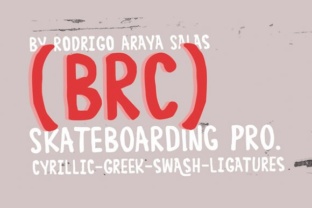
BRC, designed by Rodrigo Araya Salas, is a playful and distressed display font that brings a unique character to digital projects. Its decorative style makes it ideal for creating visual interest while maintaining readability in key areas of a website or digital product. The font supports Greek and Cyrillic languages, making it a versatile choice for global audiences.
Why BRC Stands Out in Web Design
BRC’s distinct personality sets it apart from other display fonts. The distressed texture adds a sense of authenticity and charm, which can be particularly effective in branding and creative content. It's not just about aesthetics—BRC also plays well with layout rhythm, helping designers create a cohesive flow that guides users through content efficiently.
Using BRC in Web Layouts
BRC is perfect for headers, hero sections, and call-to-action buttons where a bold statement is needed. Its decorative nature makes it ideal for banners, blog graphics, and course sales pages. For online stores, BRC can elevate the visual appeal of product titles and promotional offers without overwhelming the user.
When using BRC in a portfolio site or creative brand kit, it helps reinforce a brand’s identity as modern, artistic, and approachable. Pairing BRC with a clean sans serif font for body copy ensures a balance between visual impact and readability, which is crucial for long-form content.
Readability and Visual Hierarchy
Despite its decorative elements, BRC maintains good readability when used appropriately. On mobile screens, it works best when paired with ample spacing and clear contrast. For dark backgrounds, lighter text colors ensure legibility, while light backgrounds require darker tones to stand out.
In responsive layouts, BRC should be reserved for headings and short phrases rather than large blocks of text. This approach prevents visual clutter and keeps the focus on the most important information. When used for buttons or short CTA text, BRC enhances user engagement by drawing attention to interactive elements.
Font Pairing and Brand Identity
BRC pairs well with simple sans serif fonts like Montserrat or Open Sans for body copy, creating a balanced design that feels both professional and creative. For a more editorial feel, pairing BRC with a serif font like Playfair Display can add depth and sophistication to a digital identity.
For brands that emphasize creativity and modern typography, BRC serves as an excellent foundation for a brand kit. It can be used in logo design, social media graphics, and packaging design to maintain a consistent visual language across all touchpoints.
Best Practices for Using BRC
When implementing BRC in web design, consider the following best practices: check included styles and file formats to ensure compatibility with your project. Verify webfont availability and alternate weights if needed. Always test BRC on different screen sizes and background colors to ensure optimal performance.
For commercial use, ensure you have the appropriate licensing for websites, landing pages, and client projects. BRC is suitable for both personal and business applications, making it a reliable choice for digital creators looking to enhance their brand identity.
Real-World Applications of BRC
BRC shines in a variety of real-world scenarios. On a creative portfolio site, it can be used for headings and taglines to reflect the designer’s unique style. In a boutique online store, BRC can highlight product names and promotions, adding a touch of personality to the shopping experience.
For a coaching website, BRC can help establish a friendly and approachable tone, especially in hero sections and testimonials. In a course sales page, it can draw attention to key selling points and encourage conversions. Whether it's a blog header or a digital ad, BRC adds a memorable visual element that supports brand recognition.
Conclusion
BRC is more than just a display font—it’s a powerful tool for web designers and digital creators. Its playful yet readable design makes it suitable for a wide range of applications, from branding to conversion-focused layouts. By understanding how to use BRC effectively, designers can enhance visual hierarchy, improve user engagement, and build a strong, consistent online identity.